St. Paul & The Broken Bones, L’art de tracer sa propre route
09.11.2026
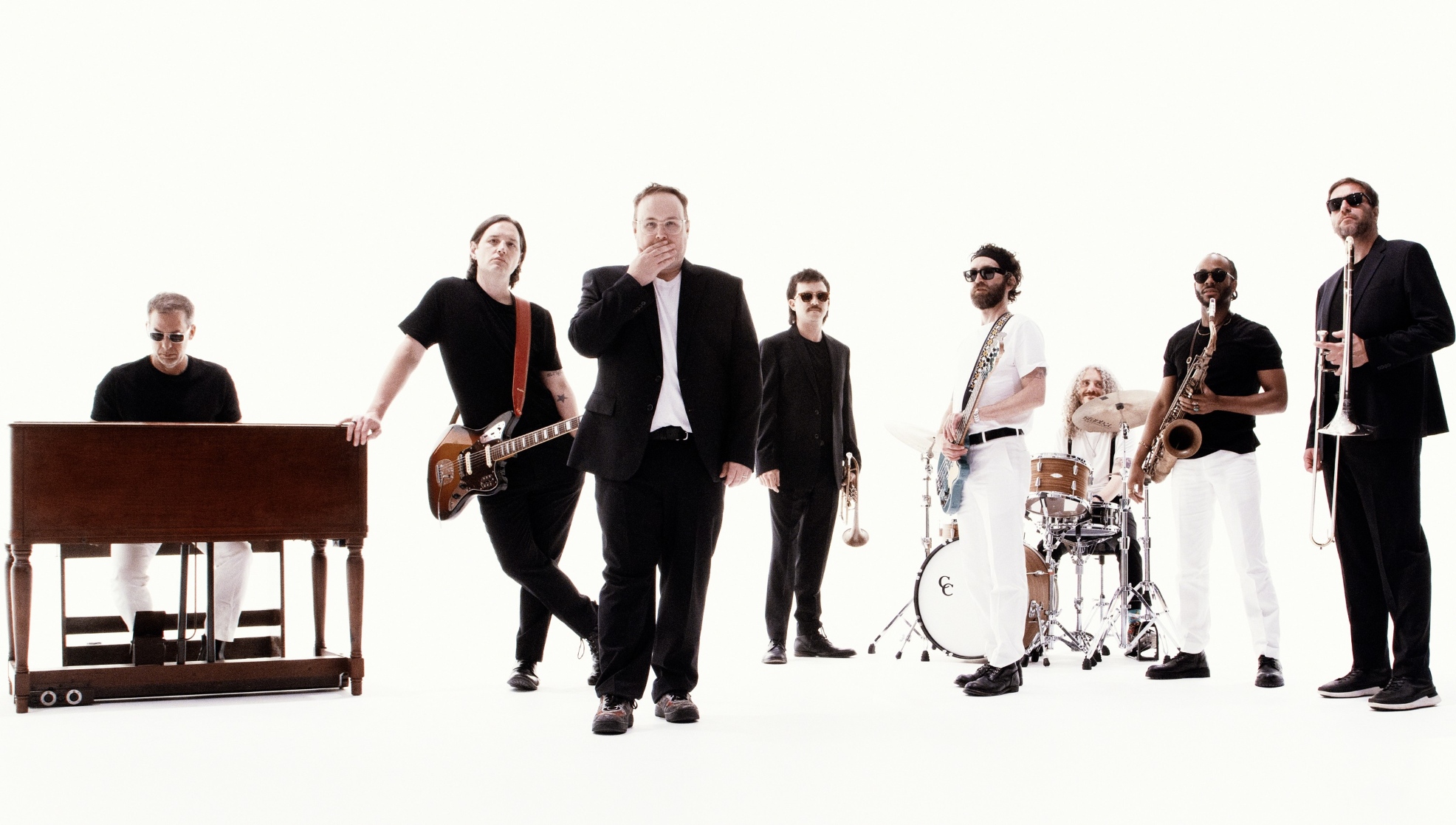
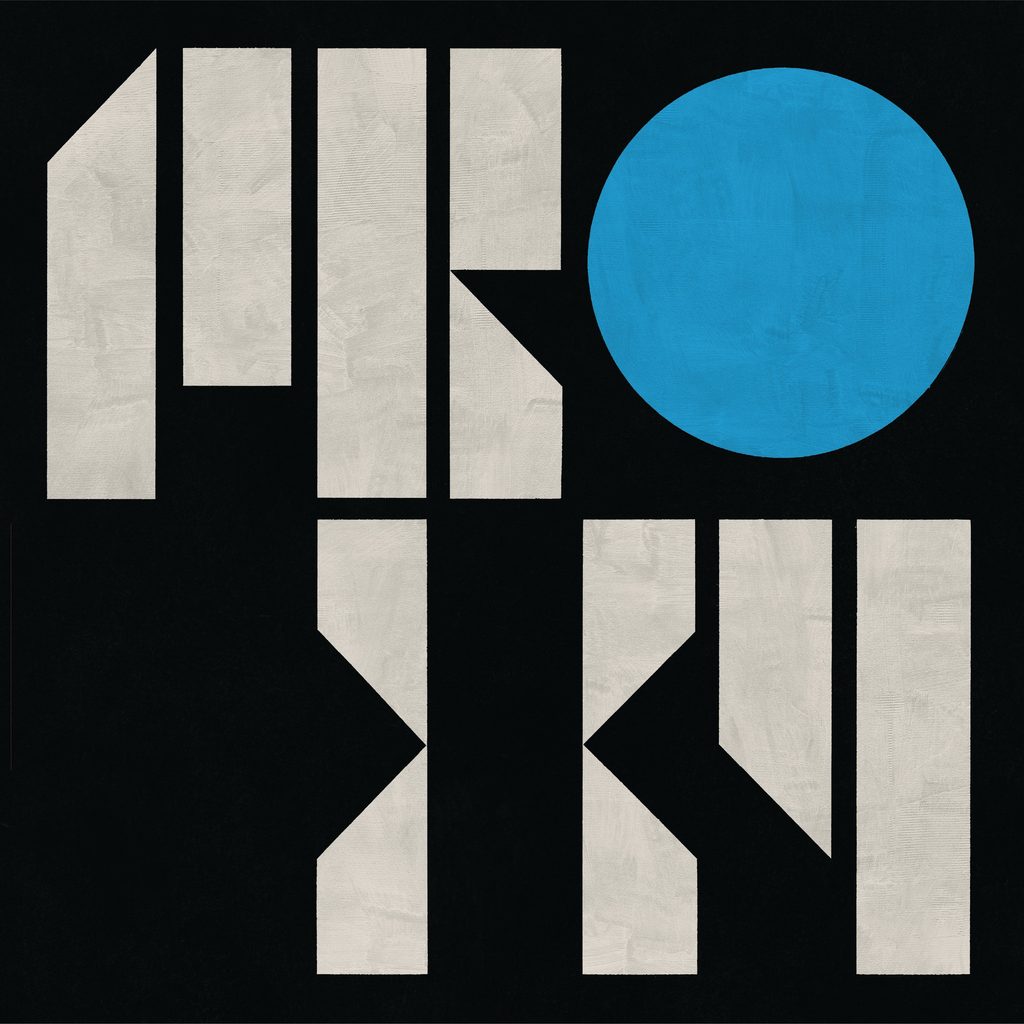
As they release a stunning new EP (Proxy, awarded 5 stars in our website) and continue performing regularly across Europe, we sat down with their frontman, singer, and songwriter Paul Janeway.
Can you walk us through the writing and recording of your latest EP?
We actually recorded it at the same time as our self‑titled album [released in 2025], at FAME Studios in Muscle Shoals. We had fourteen tracks finished. We said, “Let’s put ten on the album and release the other four the following year.” We loved all of them, but today people aren’t used to absorbing that much music at once. The trend is more like, “Give me a little bit every day.” So we have to maintain almost constant contact — drop a single here, an unreleased track there. And because we wanted Proxy to get the attention it deserves, since it has its own identity, we released it separately.
You also created your own label, Oasis Pizza Records. A way to be fully independent?
We’ve always had an independent mindset. At some point you have to choose: sign with a major, hope they invest heavily in you, but also lose control and work by their rules. For us, given the state of the music industry, it didn’t make sense anymore — more drawbacks than benefits. We just wanted to take the wheel, plain and simple.
Did that increase your artistic freedom?
Not really. Much to the dismay of our former labels, we never changed the way we work. You can’t let commerce dictate creation, or creation dictate commerce. You do what you love. What’s changed is that we’re more comfortable with who we are. That’s maturity! [Laughs]
You still tour a lot. How many shows this year?
A lot. This year we’ll hit 120. It’s our job, and we love it. These days, it’s not that common to do something you genuinely enjoy. We do. So yes, we grind to pay our bills, but also because it’s our passion.
Has your drive diminished over time?
I’m still at 100%. Maybe one day I’ll slow down, but not now. When we started, we played France a lot, then things quieted down because of label and distribution issues. Now we’re back, putting in the energy to play in different places. We believe in the French audience. We’ve received a lot of love there. So we owe them hard work in return. And that doesn’t bother us.
Do you plan to sign other artists?
That’s an interesting question… In an ideal world, yes. But for now, the band is the priority. If some members want to release a record, we’ll talk — there’s a lot of talent in this group. But right now, it’s St. Paul & The Broken Bones.
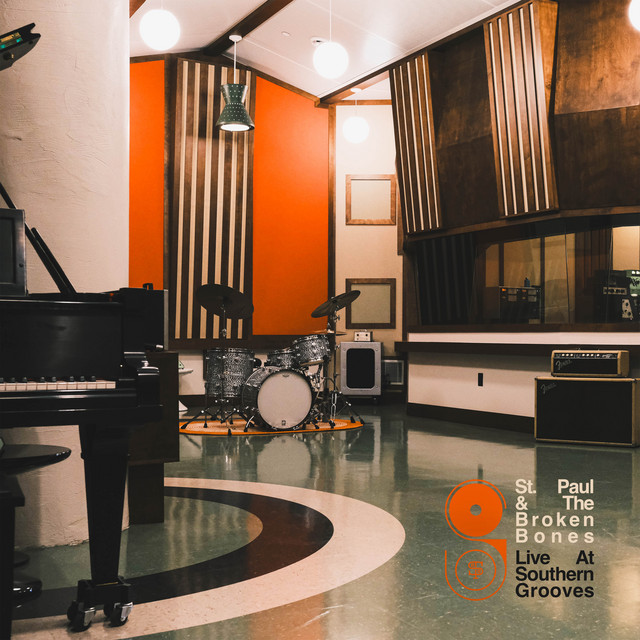
You re‑recorded your previous album entirely in live conditions [Live at Southern Grooves, 2026], which is unusual. Why?
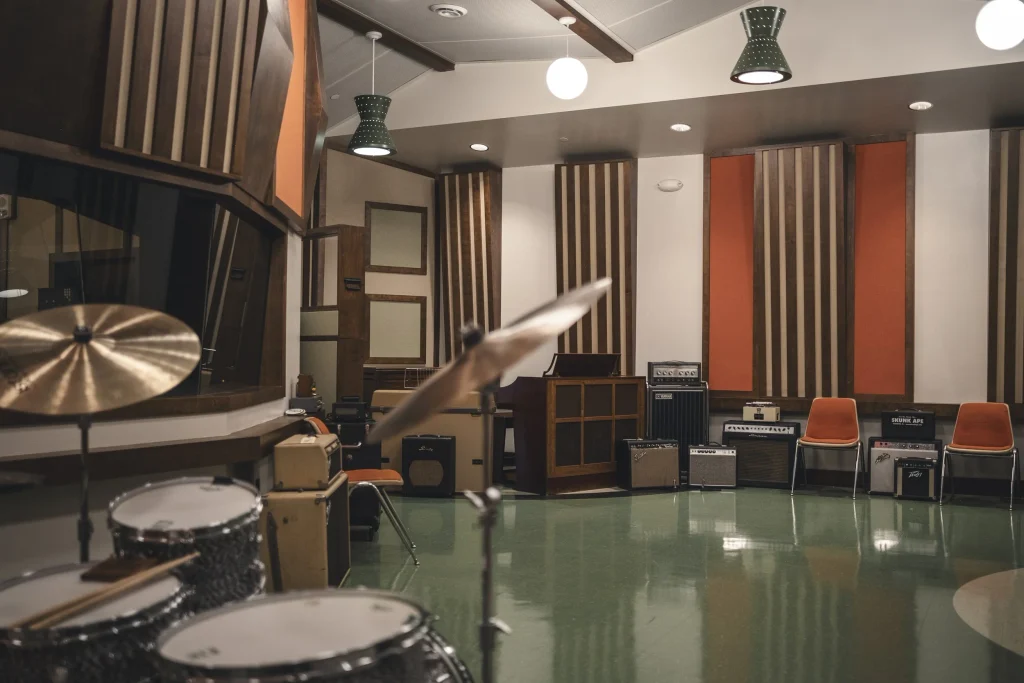
Originally, we just wanted to shoot a video in our friend Matt Ross‑Spang’s gorgeous studio in Memphis. We ended up playing the whole record, and when we listened back, it sounded great. So we said, “Let’s release it.” That’s really how it happened: video first, then the album, because the takes were so good — sometimes better than the originals, at least different enough to stand on their own.
Your writing stands out for its themes and the way you shape them. How do you write? Do you keep a notebook like some of your peers?
I take notes on my phone. When inspiration hits, I write. I’m picky about the meaning of words, their deeper sense. And if one of the musicians has a good idea, I listen. When you work with talented people — and I do — you have to hear their suggestions. For the last album, for example, I worked with Eg White (2). I went to London to work with him. We stacked melodies, I bounced off his ideas. Whatever the method, alone or with someone, the goal is to write the best song possible. Nothing else matters.
And how do you know when a song is good?
I don’t know… Sometimes you write something and immediately think, “I like this!” Sometimes it takes time. We’re already writing for the next album — revisiting ideas from three or four years ago, half‑finished things, and completing them. It’s craftwork. You assemble, test, refine. It’s an empirical process. I’m very agnostic when it comes to writing.
Your songs are precise, very articulate. How much freedom do you give the musicians?
There are eight of us. You can’t have eight people throwing ideas at the same time. You always have to ask whether the idea serves the song. A guitarist naturally focuses on his guitar, his part, not the melody. You have to ask him, “Does what you’re playing serve the track?” Over time, we’ve gotten better at that. So sometimes the arrangements are fixed, sometimes more open. But the song comes first.
Do you feel your writing has evolved?
Yes. One hundred percent. After fourteen years, I feel like I’ve earned a doctorate in songwriting. Not that it makes me better, but I understand how it works. When you start, you’re a young band, you don’t consciously analyze what you’re doing. Now I do. The priority: don’t lose the feeling. If you get too technical, you lose the soul. That’s the risk.
With all this experience, do you still feel the need for a producer?
It’s possible — and sometimes even desirable, when it’s a deliberate artistic choice — to self‑produce. But I’ve noticed that when bands do that, they can fall into… ego, even indulgence. You need someone to challenge you. That’s why choosing the right producer matters. Eg White was perfect for us. It’s good to have another pair of ears. A wider vision.
Looking back, how do you view your first album, Half the City [2014]?
I’d say… We were young, young, young. [Laughs] That record has punk‑rock energy. The sound isn’t clean or polished. Our fans are very attached to it; they mention it often. For a while I thought, “We’re so much better now”… Not anymore; we were just different, nothing to do with skill level. If we tried to make that record today, we couldn’t. Every album is a time capsule, a snapshot of who you were at a precise moment in your life and development.
Two years later, Sea of Noise showed a pretty dramatic evolution…
The second album is when you clarify your offering. If we’d made Half the City 2, the implicit message would’ve been: “This is all we can do, don’t expect anything else from us.” We hesitated a lot. We didn’t want to break our rising momentum, we wanted to keep the dynamic going, but at the same time we needed a clear artistic direction. We needed a long period of maturation. Sea of Noise is without question the hardest record we’ve ever had to write.
Young Sick Camellia [2018] feels like you cut the ropes entirely. Even the title… far from soul clichés.
I wanted to express my love for Caravaggio. The album is based on his painting Young Sick Bacchus and on Alabama’s state flower. It’s an extremely personal record — there are recordings of my grandfather on it. I even imagined a trilogy: earth, underground, sky. Maybe one day I’ll finish it. That’s when we started adopting a very exploratory attitude. And one of our biggest successes, “Apollo,” comes from that album. We realized we could free our creativity without losing touch with our audience. One doesn’t prevent the other. Quite the opposite.
The Alien Coast [2022] pushes that even further.
That was total experimentation! Whatever our muse was, we followed it. We finished the album in February 2020 — then the world stopped. Global pandemic… We had to wait to release it because it was unthinkable not to tour right after. Our songs are meant to live on stage. I admit the album expresses real darkness, which fit the moment. Lockdown, time frozen, the feeling of tipping into a new world without understanding its implications. It was a major turning point for us. I’m grateful that album exists. It marks the culmination of our research phase, our risk‑taking.
When inspiration hits, I write. I’m picky about the meaning of words, their deeper sense. And if one of the musicians has a good idea, I listen.
Paul Janeway
The beautiful Angels in Science Fiction [2023] brought you back to more organic sounds, though it’s hardly conventional…
We recorded The Alien Coast in February 2020. The month before, my wife learned she was pregnant. Explosion of creativity! Angels in Science Fiction is a series of letters to my daughter before she was born. I didn’t know what kind of world she was arriving into. It’s the only record I hesitated to release — not for commercial reasons, I don’t care about that. But the subject was so personal… I had to write it. The recording conditions, in September 2020, were really unusual. Of all our albums, it’s the one that most resembles a folk record — strangely enough. That was the idea: make something minimalist. Which is very hard when you’re eight musicians. But given how we worked — in Memphis, entering the studio two by two to respect social distancing — we leaned into asceticism. For all those reasons, it will probably always be my favorite.
Your latest LP, St. Paul & The Broken Bones [2024], marked a return to a certain orthodoxy, with a pop dimension we hadn’t heard from you before.
On the previous albums, we’d pushed innovation. We’d gone far. Then I fell in love with the great composers of the ’60s, ’70s, even ’80s — pop, film scores, classical music. Angels in Science Fiction
feels like the end of a book. If you set Half the City aside, which captured us as we were, we’d spent seven years in the studio, seven years of sonic adventures — and seven years is a full cycle. Picasso evolved every seven years. And we suddenly realized we didn’t need to be a three‑star Michelin restaurant. We could just be a roadside barbecue joint. It’s a different mindset. We’re comfortable with it. Setting limits on experimentation is actually helpful. Even satisfying.
Despite a few discreet attempts (3), you still haven’t released an official live album. Surprising, given your stage power.
Funny you mention that, because that’s exactly what we’re thinking about right now. Releasing a concert album — a “Live From Wherever” — that captures the atmosphere and fervor of the band onstage, and a studio live record with long improvised passages — filmed, recorded, free, jazz‑leaning. Many of the musicians have that background and the technical ability. We really want to move in that direction.
After all these years writing, how do you keep your inspiration fresh?
Writing is therapeutic for me. Maybe one day I’ll get stuck, we’ll see, but for now I try to keep my mind sharp — eyes open, physically, mentally, spiritually. Life and art in all forms inspire me. I love visiting museums; I usually leave with my head full of ideas. Inspiration isn’t just waiting for a song to fall from the sky. It’s staying open. That’s how you keep boredom and repetition at bay.
Interview by Ulrick Parfum, October 17, 2026
Opening photo : © St. Paul & the Broken Bones DR
Listen to :
ʺLive At Southern Groovesʺ ★★★★ ½ (read the review here)
ʺProxyʺ ★★★★★ (read the review here)
(1) Matt Ross‑Spang is a young (not yet forty) and highly regarded Memphis producer. As a teenager, he joined Sun Studios and left a decade later to work with Jason Isbell, with whom he won his first Grammy. Other prestigious collaborations followed (John Prine, Don Bryant, Margo Price, Sean Rowe… and St. Paul & The Broken Bones, multiple times). He opened his state of the art, 3,000‑square‑meter studio in 2021 (right in the middle of the industry crisis!), a dream space he designed down to the smallest detail.
(2) Eg White is a British songwriter and producer who moved from ’80s bands (Yip Yip Coyote, Brother Beyond) to a career as a composer. He has written for Will Young, Adele, Duffy, James Morrison, Florence + the Machine, and Sam Smith, becoming one of the most influential architects of modern British pop.
(3) Live From Wichita (2020) and Half the City Live (2021), both excellent but released only digitally — and for the latter, also as a limited‑edition double vinyl. Also worth noting: the explosive three‑song Tiny Desk Concert and the seven tracks recorded at the Texas SXSW festival and released by Spotify in 2014.