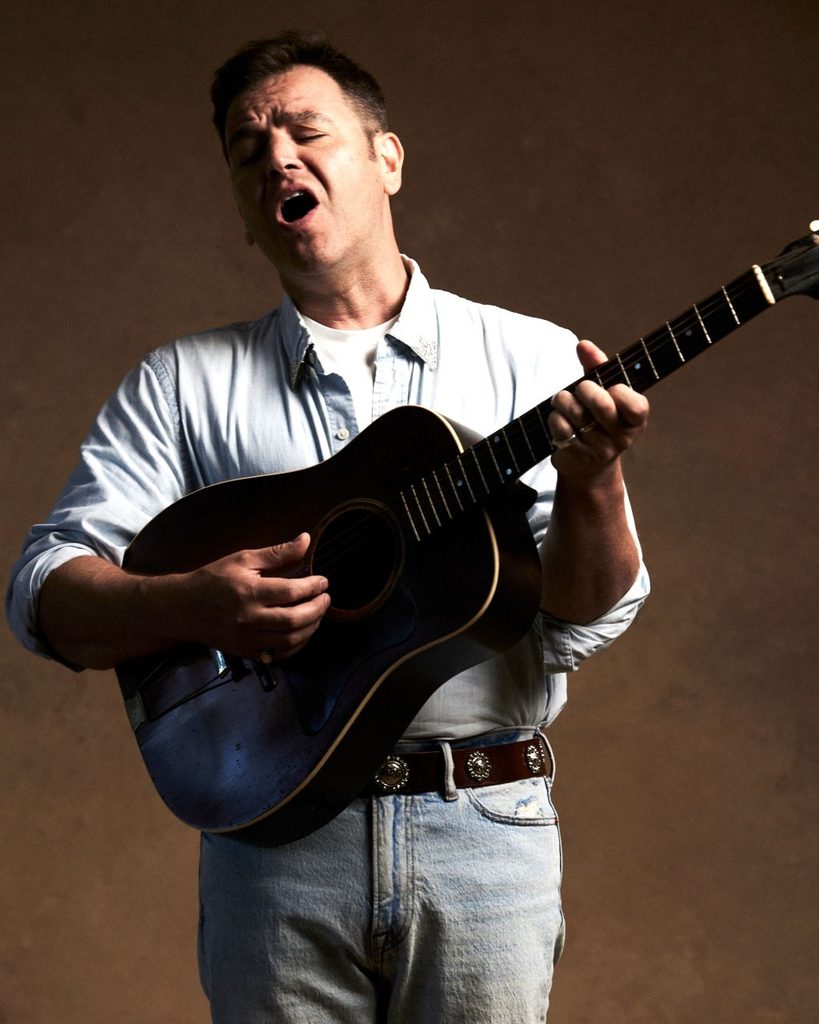
Eli Paperboy Reed, Être capable d’écouter et apprendre
11.09.2026
Dolly Parton recently passed away, and you paid tribute to her by posting two videos on social media in which you covered two of her songs, including “I Will Always Love You.” What did she mean to you?
Perfection! I’ve been listening to country music since I was a little kid. My father made me a cassette tape that included songs like “Poor Boy from Mississippi” by Cleophus Robinson and, especially, “Coat of Many Colors.” That song really resonated with me because it was about being teased by your classmates as a child, which was something I experienced myself. I thought the lyrics were incredibly true and they meant a lot to me. As a songwriter, Dolly is untouchable. She represents the very best of American music. In my eyes, no one has ever done it better.
These two tributes are another reminder that you don’t like putting music into boxes. Getting There draws on gospel, blues, soul, R&B and country, and you’re often described as carrying on a certain American musical tradition. How do you see that?
I like that, although my goal isn’t to be a jukebox! I know a lot of songs. I can play Ray Charles, Lefty Frizzell, the Stanley Brothers or Howlin’ Wolf. I’ve absorbed all those influences and made them part of my own music. When I write a song or sing, all those things I’ve listened to and absorbed naturally come back out. In a way, everyone starts by imitating others, and I was no different. But as an artist, I think the goal is to move beyond imitation as you grow – to take what you’ve learned and make it part of your own musical language. I hope that’s what I’ve managed to do.
The title Getting There suggests both the journey you’ve already made and the fact that you haven’t quite arrived yet. Where do you see yourself today, both personally and artistically?
It’s an expression I use all the time with my two kids, so it’s really become part of my vocabulary. Even though I feel fulfilled as an artist and as a person, I certainly don’t feel like I’ve arrived. Not by a long shot. As a father, I feel like I’m just at the beginning of the process. My kids are seven and ten, and they’re growing every day, which brings new challenges. You never stop being a parent. You’re always learning, always doing your best to figure things out. It’s the same as an artist, a musician, a singer, or whatever you happen to be: the goal is to keep improving, to keep listening and learning. Every day I have new ideas for songs, records I want to make or produce. I’m constantly listening to new things and learning from them. It’s not really a philosophy of life. It’s simply a truth that applies to all of us.
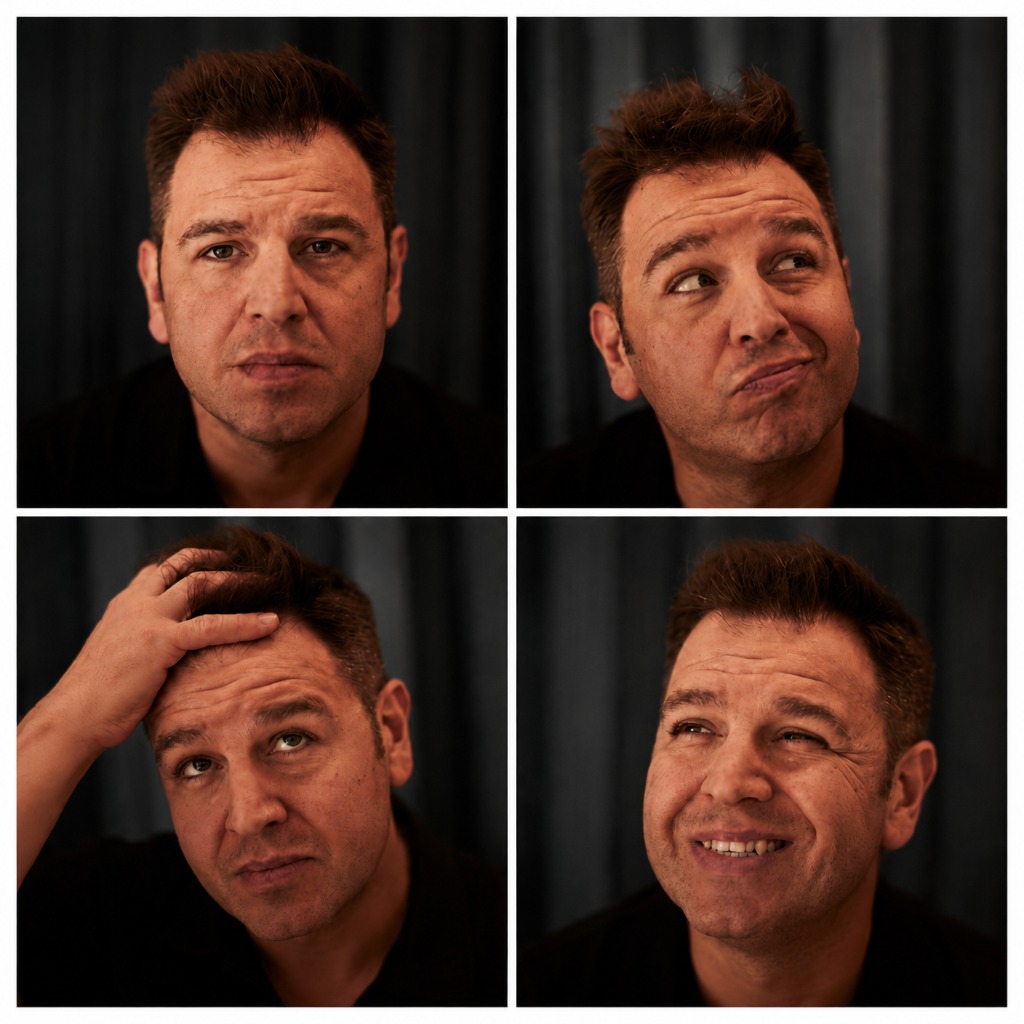
Every day I have new ideas for songs, records I want to make or produce. I’m constantly listening to new things and learning from them. It’s not really a philosophy of life. It’s simply a truth that applies to all of us.
Eli Paperboy Reed
Do you think you would have given the same answer ten or fifteen years ago?
I think so, although my goals were quite different fifteen years ago. I was signed to a major label, Warner Bros. Records, and I had just released an album that was much more pop-oriented than my previous work, with the aim of reaching a wider audience.
It didn’t really work out, and with My Way Home in 2016, I went back to what I knew I did best. Since then, my goals have remained simpler—and certainly more in line with who I am as an artist.
A lot of the album deals with love and what it takes to make a relationship last. Why did that subject feel particularly relevant to you at this point in your life?
My wife and I will celebrate our fifteenth wedding anniversary next year. So I know what it means to have a lasting relationship, and it seems natural to me to write about what you know and what you’ve experienced. That said, I actually find it harder to write about that subject than about falling in love – or even death.
Let’s talk about the recording of Getting There. Where did you record it, and who did you work with?
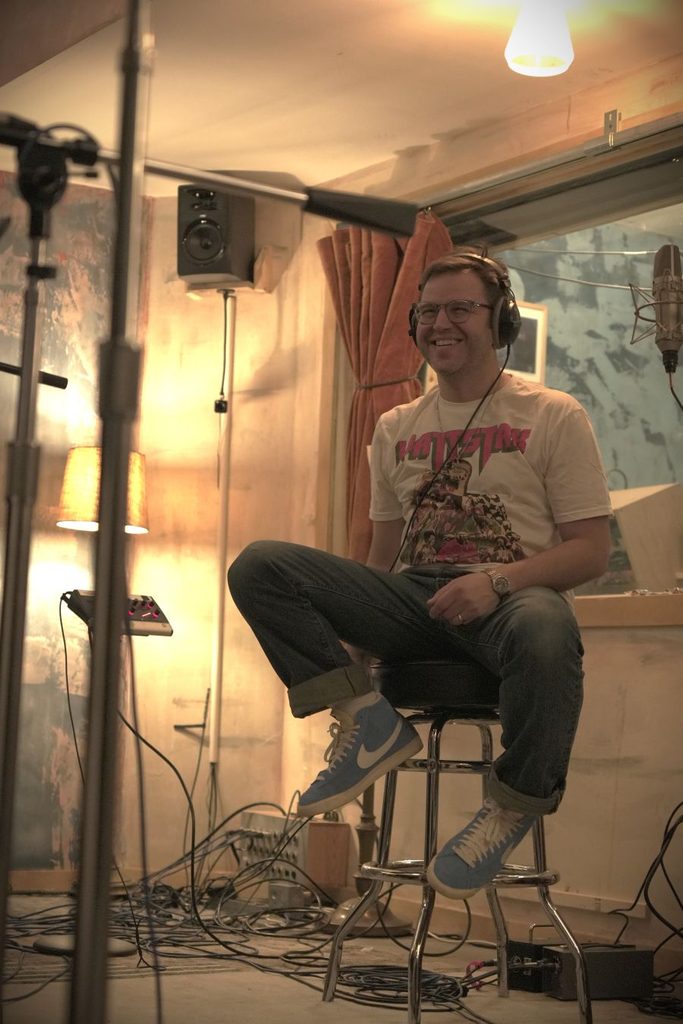
We recorded it at Restoration Sound, my friend Lorenzo Wolff’s studio in Bushwick, Brooklyn. The band was made up mostly of musicians I’ve been playing with for many years. Michael “Ish” Montgomery played bass and Noah Rubin played drums; they’re both close friends of mine. I’m also very close with Jonny Lam, who played guitar. I’ve known him for fifteen years, although I’d never actually had the chance to record with him. He lived in New York for many years but is now based in Hawaii. When he heard that I was going to make the record with this group, with Swamp Dogg producing, he did everything he could to be there. It really shows how much the guys wanted to be part of the experience. Morgan Price on saxophone and Carter Yasutake on trumpet are musicians I’ve been playing with for about ten years.
You mentioned Swamp Dogg. The album was produced by this major figure in soul and R&B. How did that collaboration come about?
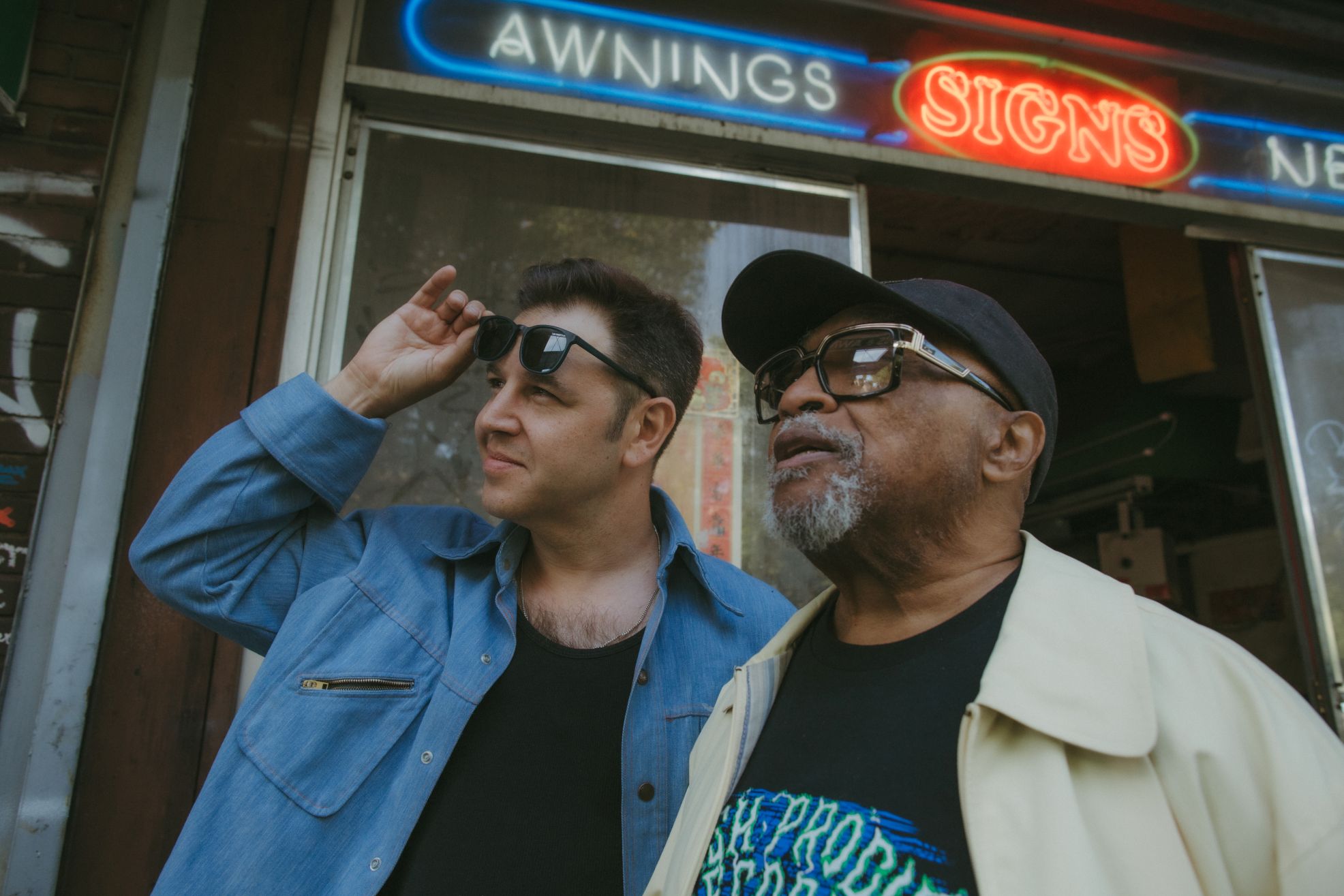
We met while touring in Spain in 2014. We were all traveling together on a big bus. I was already a huge fan, particularly of his work as a producer. We talked a lot about that, and I was really impressed by how vividly he remembered all the different recording sessions he’d been involved in. I was fascinated by what he told me about his approach and the way he worked. During that Spanish tour, we would get together after my shows and sing “Mama’s Baby, Daddy’s Maybe,” one of his songs that I love. After the tour, we stayed in touch—him in Los Angeles, me in New York. When I started working on Getting There, he was the first person I thought of. I reached out to him and, after taking some time to think about it, he agreed. He hadn’t produced an album in a long time, and he admitted that he was pretty nervous on the first day of recording. But he put everything he had into making those sessions a success.
What, specifically, did you feel he could bring to the record that another producer couldn’t?
I didn’t really know at the time. There was just something I liked about Swamp Dogg, and I had a feeling he could bring a lot to the project. It turns out I was right to trust my instincts!
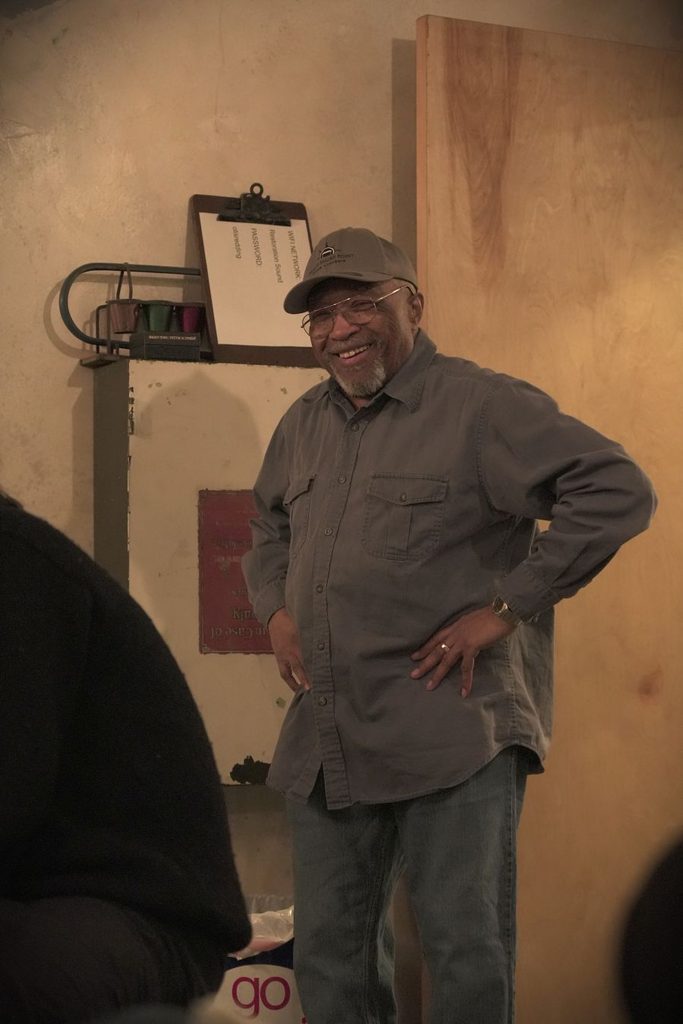
Was it difficult for you to give up control in the studio?
I’ve produced most of my own albums, but I’ve also had the opportunity to work with some great producers in the past, including Mike Elizondo and Matt Ross-Spang. So it really wasn’t difficult to hand the reins over to Swamp Dogg. It felt more like a partnership. I had a tremendous amount of faith in his opinions and ideas. We very rarely disagreed. I think one of the reasons the record worked so well is that we recorded everything live. That meant we had to communicate constantly and work together to find the best solutions.
Swamp Dogg encouraged you to slow things down and let the songs breathe. How did that affect the way you sang or recorded?
His approach was basically to hold me back and simplify things. I think that was exactly the advice I needed, because the songs on this album call for slowing down and giving yourself more room to breathe. As a singer, I think Swamp Dogg helped me shape the dynamics of the songs. It’s something Roscoe Robinson told me many times as well: “Don’t give it everything right at the beginning. Let the song build. Let it breathe.” Swamp was very much coming from the same place.
Finally, what are your plans for the short, medium and long term?
I already have dates lined up in several European countries for 2027. The goal is to play more summer festivals. And I’ve got all kinds of ideas in my head. I’d like to record a blues album at home, but I’d also love to make a record based on old songs from the late nineteenth and early twentieth centuries and rearrange them in my own way. Honestly, if I could, I’d be in the studio every day working on new projects. I love performing live, but being in the creative process and exploring new ideas is what I find most exciting.
Interview conducted by Nicolas Deshayes on September 2, 2026
Opening photo : Eli Paperboy Reed, Swamp Dogg © Rosie Cohe
Listen : « Getting There » ★★★★★ (Review here)
Notes
¹ Nights Like This, released in 2014.
² Mike Elizondo produced Come and Get It!, released in 2010 on Capitol Records.
³ Matt Ross-Spang produced 99 Cent Dreams, released in 2019 on Yep Roc Records.
⁴ Roscoe Robinson (1928–2026) was a gospel and soul singer, songwriter and producer. He began his career in the gospel quartet tradition of the 1940s and 1950s and became known as the lead singer of the Five Blind Boys of Mississippi before moving into soul music in the 1960s. He developed a very strong musical relationship with Eli Paperboy Reed beginning in the early 2000s.